
Table of Contents
- What is Granite?
- Characteristics of Granite
- Advantages of Granite Countertops
- Installation and Maintenance
- Granite vs. Other Surfaces
- Environmental Impact
- Choosing the Right Granite
- Cost Considerations
What is Granite?
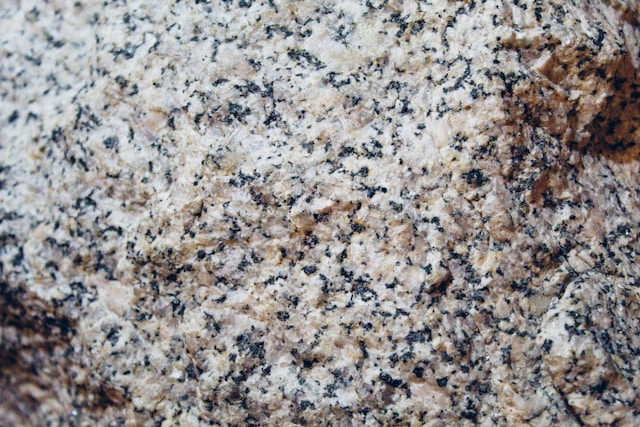
The primary constituents of granite, an igneous rock with coarse grains, are mica, feldspar, and quartz. Its intricate and dense structure results from the gradual crystallization of magma beneath the Earth’s surface. Granite is a popular choice for many homeowners because of the diverse and spectacular appearance that is created by the mix of different materials. Understanding the nuances of quality granite Pittsburgh reveals why so many individuals appreciate its blend of aesthetics and functionality. Granite’s durability and scratch resistance make it ideal for high-traffic areas like kitchen countertops and flooring. Its natural heat resistance allows it to withstand hot pots and pans. With proper sealing and maintenance, granite surfaces can retain their beauty and functionality for decades, adding lasting value to any space.
Characteristics of Granite
Granite’s unique properties make it highly suitable for a range of applications, especially in home design. Comprising mainly quartz and feldspar, granite is renowned for its exceptional hardness and durability. Its geological composition also boasts a broad spectrum of colors, from deep blacks and vibrant blues to serene whites and subtle pinks. Its natural resistance to heat and stains, primarily attributed to its dense structure, ensures that granite can withstand daily wear and tear while maintaining its pristine condition.
Advantages of Granite Countertops
The allure of granite countertops lies in their numerous advantages, which cater to both practical and aesthetic needs:
- Durability: Granite’s inherent strength means it can endure heavy use without showing signs of wear. t is not readily susceptible to dings, dents, or cracks.
- Heat Resistance: You can place hot cookware directly on granite surfaces without fear of damage, making it highly practical for kitchens.
- Scratch and Stain Resistance: When adequately sealed, granite repels stains and resists scratching, maintaining a smooth and glossy finish over the years.
- Unique Aesthetics: The natural formation process of granite ensures that no two slabs are alike. This uniqueness adds an element of bespoke luxury to any kitchen or bathroom.
Installation and Maintenance
The lifetime and functionality of granite countertops are contingent upon appropriate installation and continuous maintenance. Professional installation is advised to guarantee that the countertops are firmly and sufficiently supported. Precise granite slab measuring, cutting, and fitting are frequently part of the process. Following installation, it’s critical to follow maintenance recommendations, which include daily washing with pH-balanced solutions to prevent surface wear and routine sealing to strengthen the stone’s stain resistance.
Granite vs. Other Surfaces
When choosing a countertop material, it’s insightful to compare granite with other available options like quartz, marble, and laminate. Quartz offers similarly low maintenance and durability but lacks granite’s natural uniqueness. arble, while offering luxury and beauty, is more susceptible to scratches and staining, which can be a concern in high-use areas. Laminate is a more economical option but does not come close to matching the durability or elegance of natural stone surfaces like granite. Each option has its advantages, but granite often stands out for its blend of natural beauty and resilience.
Environmental Impact
Considering the environmental impact of granite used in home design is crucial for the eco-conscious homeowner. However, the quarrying and processing of granite are energy-intensive, so the longevity and durability of granite surfaces can offset the initial environmental costs. Granite’s long lifecycle means fewer replacements and repairs, reducing the overall environmental footprint over time. Choosing sustainable practices, such as sourcing granite from environmentally responsible quarries and opting for reclaimed granite, further mitigates environmental concerns and supports eco-friendly home projects.
Choosing the Right Granite
Selecting the perfect granite for your home involves contemplating various factors like color, pattern, and finish. Granite comes in myriad shades and textures, from dark, dramatic tones to light, airy hues. Homeowners are encouraged to visit showrooms and inspect slabs firsthand to appreciate the nuances in patterns and finishes. Polished finishes are popular for countertops due to their reflective qualities, while honed finishes offer an equally appealing matte look. Taking the time to explore options thoroughly ensures a choice that perfectly complements your home’s aesthetic and functional needs.
Cost Considerations
The cost of granite countertops varies depending on several factors, including the type of granite, installation difficulty, and location. Superior-grade granite with unique colors or patterns is usually more expensive. The degree of experience required and the intricacy of the work may also affect installation costs. In addition to the cost of the materials, you should budget for labor, supplies, and any additional services like sealing and edge treatments. Granite is often an excellent investment because of its durability and low maintenance requirements.



More Stories
The Art of Precision: Why Professional Sharpening Matters for Your Tools
Eco-Friendly Innovations in Septic System Management
Benefits and Basics of Horse Boarding: Essential Guide for Enthusiasts